
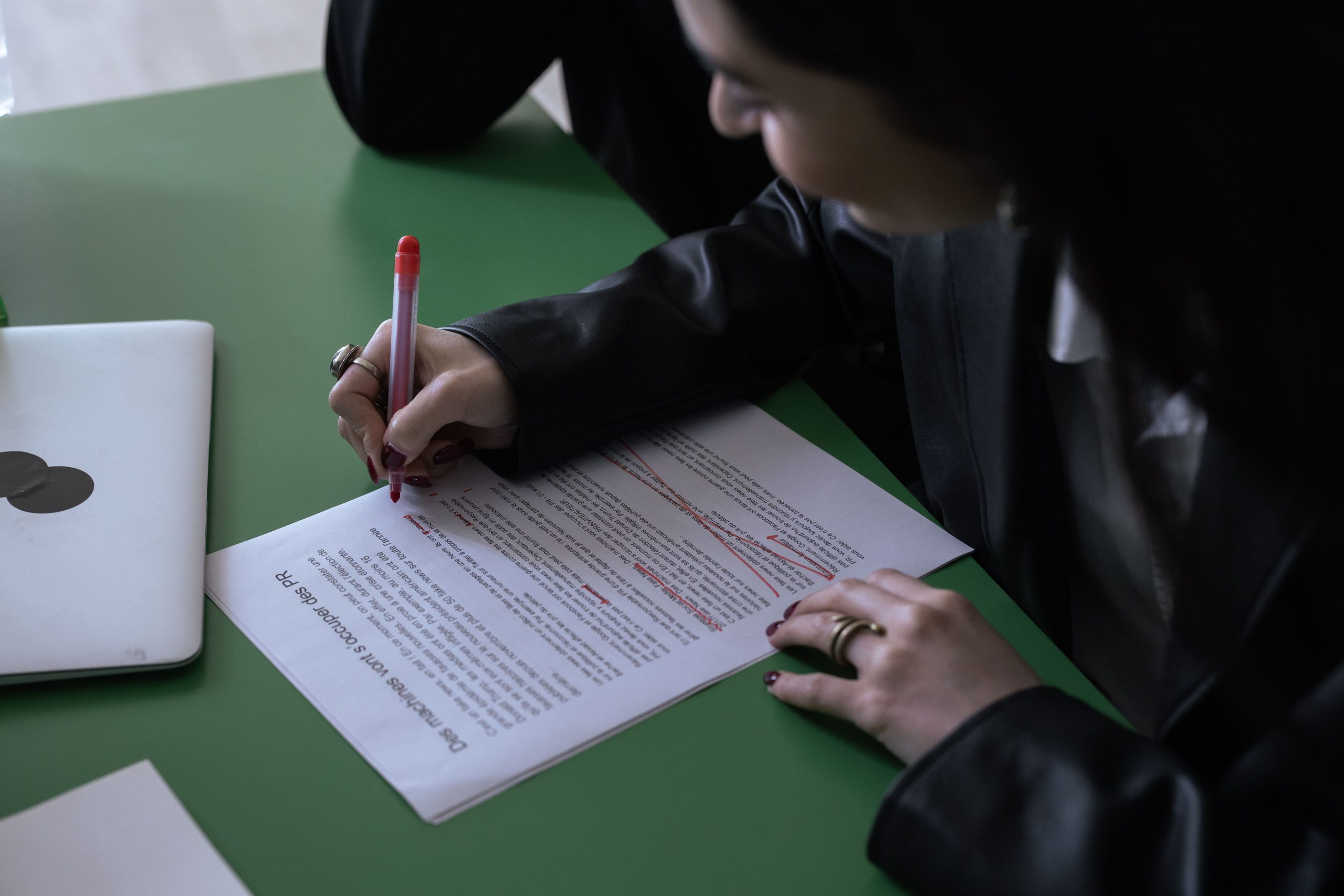
Ask a small business owner what professional editing costs and you will usually get a shrug. It is not a line item they budgeted for. It shows up as a surprise when a freelancer quotes $45 to $60 to clean up a single 1,500-word blog post, or when a proofreader adds a minimum fee to a 300-word product description that took twenty minutes to write. Publish on a regular schedule and those one-off quotes harden into a monthly cost that behaves like a salary without the headcount.
For years the only honest choices were to pay that bill or to ship mistakes. The second option looked cheaper right up until a typo landed on the homepage or inside a proposal. AI grammar checkers changed the arithmetic, but not quite in the way the marketing suggests. They do not replace professional editors. They replace the habit of sending routine copy to professional editors, and for most small businesses that is where the money actually leaks.
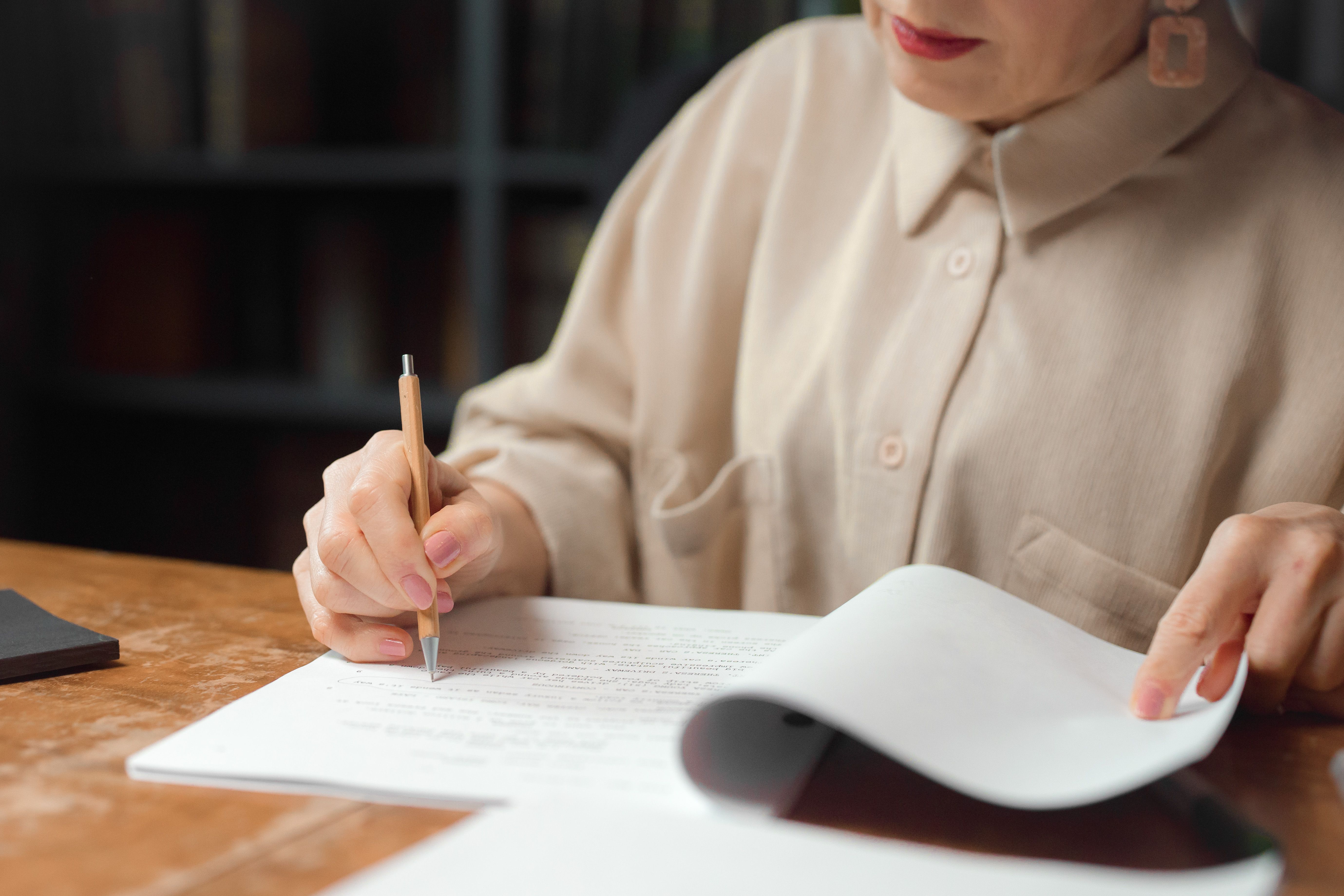
What professional editing actually costs in 2026
The rates are public. The Editorial Freelancers Association publishes an annual rate chart based on a survey of more than 1,100 working editors, and the 2026 edition, released in May, is the closest thing the industry has to a benchmark. For business and marketing material it lists these median ranges per word:
| Service | Rate per word (2026 EFA median) | Estimated cost for a 1,500-word post |
|---|---|---|
| Proofreading | 2.0 to 3.0 cents | $30 to $45 |
| Copy editing | 3.0 to 4.0 cents | $45 to $60 |
| Line editing | 3.2 to 5.0 cents | $48 to $75 |
The same chart puts hourly rates at $45 to $60 for proofreading business copy and $50 to $60 for copy editing. These are medians, not quotes. A busy freelancer with a niche specialty will charge more, and short documents often carry higher effective per-word rates because of minimums and rush fees. As a planning number the chart is still useful.
Run the math on a modest content habit. Copy editing one 1,500-word post per week at the midpoint of the range works out to about $52 a post, which is close to $2,700 a year before product pages, email newsletters, and proposals enter the picture. That is real money for a business that does not have an editor-shaped hole in its margins.

The leak is routine content, not the big documents
Small businesses tend to think of editing as something reserved for the annual report or the investor pitch. The actual volume lives elsewhere, in pieces that never feel important enough to budget for individually:
- Blog posts on a twice or four-times-a-month schedule
- Product descriptions and category pages that stay live for years
- Email newsletters, automations, and follow-up sequences
- Proposals, quotes, and scope-of-work emails
- Support replies and the FAQ page nobody ever rewrites
Each piece is small. Together they are the reason a business that “rarely needs an editor” still ends up with an editing bill every single month. The tools landscape has caught up to this reality. Intuit’s 2026 AI Impact Report, built on more than 34,000 survey responses and payment records from 5.3 million small businesses, found that roughly 7 in 10 small and midsize companies now use AI regularly, with writing and marketing copy near the top of the use cases.
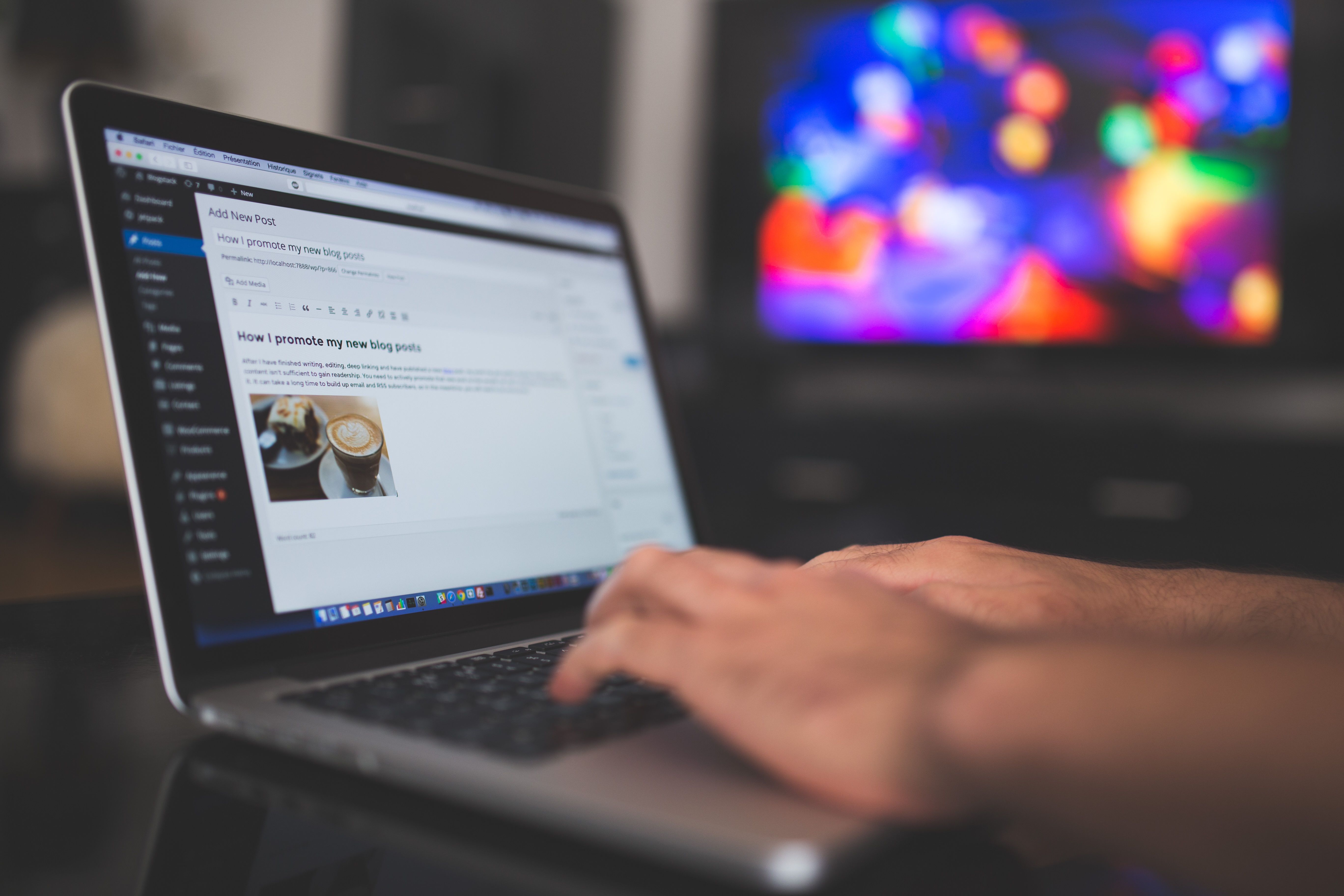
Bad copy carries a cost too, and it hits small businesses harder
Skipping editing to save money only works if the mistakes do not ship. The surveys say they get noticed. Research from Accuracy Matters, carried out by Opinium in 2022, found that 68% of UK adults would be less likely to purchase from a brand with spelling or grammar mistakes in its messaging and 73% said mistakes would worsen their perception of the brand. The scale of the problem is larger than any single survey. Grammarly’s research with the Harris Poll estimates U.S. businesses lose up to $1.2 trillion a year to ineffective communication, roughly $12,506 per employee. Grammarly sells grammar tools and has an obvious interest in a big number, so treat that figure as directional, but the perception data is consistent across independent studies.
The stakes scale differently for a small business. One lost enterprise client or one promotion that reads as careless is a larger share of revenue than the same failure would be for a chain. When a shopper lands on a product page that says “your the first to know” or a proposal contains a homophone error, the reader is not judging the sentence. They are judging whether the person behind it pays attention to detail.
What a grammar checker handles well
Here is the detail worth noticing. The errors those surveys flag are mostly surface errors: typos, wrong homophones, apostrophe mistakes, comma splices, drifting tense. That is the mechanical layer, the exact layer a proofreader is paid to sweep. A modern AI checker does that work in seconds across an unlimited volume of copy, with no scheduling, no minimum fee, and no per-word invoice. A free grammar checker now catches grammar, spelling, and punctuation problems in a single pass and handles multiple languages, which means the product listing, the newsletter, and the 1,500-word blog draft all get cleaned on the same day they are written instead of whenever an editor has an opening.
The word “clean” needs care, and that is the honest part of this argument.
Where I still want a human editor
Editors earn their fee on a different layer. A good copy editor is not catching typos, they are catching the sentence that contradicts a paragraph written three pages earlier, the tone that does not fit the client, the product name the spell-checker keeps trying to “correct,” and the marketing promise written loosely enough to become a dispute later. They apply a consistent style across a whole document and know when a sentence that is grammatically fine is still muddled. A grammar checker is not built to see any of that.
My read is that the dividing line is risk and visibility, not genre. Blog posts, emails, product pages, and social copy should go through the checker and a quick human skim. The documents that carry outsized weight, a major proposal, the homepage, a press release, anything that gets printed or locked into a contract, justify the $50 to $500 for a professional. Treating a grammar checker as a full editor substitute is how a business ends up with technically clean copy that politely says the wrong thing.
A routing system that keeps the bill down
The businesses cutting editing costs fastest are not the ones that replaced editors with software. They are the ones that stopped sending routine copy to editors and kept them for the documents where the fee pays for itself.
- Run every routine asset through the grammar checker before it is published, including the drafts you think are fine.
- Keep a human skim for anything customer-facing that mentions pricing, guarantees, or dates, where ambiguity has direct cost.
- Review suggested fixes before accepting them so brand names, jargon, and people’s names are not “corrected” into errors.
- Reserve paid editorial help for flagship documents: major proposals, the homepage, press releases, anything permanent or high value.

What this means for your budget
The 2026 EFA rates exist because professional editing is a skilled trade with a real cost. Nothing in this article argues that cost away. The argument is about allocation. A business that routes its weekly blog posts, product copy, and emails through a free or subscription checker, and saves its editing dollars for the handful of documents that truly matter, gets the clean copy customers reward and keeps the editing bill proportionate to the business. That is the version of the math that works.
How I put the numbers together
Editing rates come from the Editorial Freelancers Association 2026 Rate Chart, published May 2026 and checked in September 2026. Cost estimates multiply those per-word ranges by 1,500 words. Consumer perception figures come from the Accuracy Matters survey by Opinium (2022) and the Grammarly and Harris Poll State of Business Communication research (2022), both self-reported survey data rather than measured revenue effects. The Grammarly figure is vendor sponsored and flagged as such. AI adoption figures come from the Intuit QuickBooks 2026 AI Impact Report. Rates are revised annually, so recheck the chart before you set a budget.